
Real Estate Reality Check
Nobody Wants to Buy Your Old, Worn or Dirty Carpet
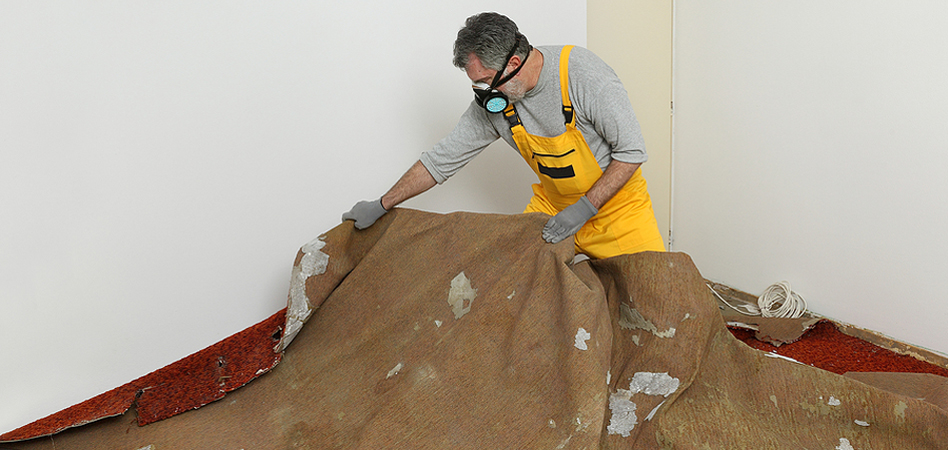
It may sound harsh, but if you’re getting ready to sell your home, here’s something worth remembering: nobody wants your old, worn or dirty carpet.
You may have lived with the stains, traffic patterns, faded areas, or worn spots for years. You may even think, “The buyers can replace it with whatever they want.” That’s certainly true—but it doesn’t mean they’ll overlook it when deciding what your home is worth.
Buyers aren’t just buying a house. They’re buying how the house makes them feel when they walk through the door.
Buyers See the Carpet Before They See Potential
Old or dirty carpet can instantly make an otherwise attractive home feel dated and poorly maintained. Even if the kitchen is beautiful, the landscaping is immaculate, and the home has been well cared for, worn flooring often becomes the thing buyers remember.
That’s especially important in Quail Creek, where buyers may tour several homes with similar floorplans, sizes, and features in a single day. A clean, move-in-ready home generally makes a stronger impression than one that immediately presents the buyer with another project.
And dirty carpet doesn’t just look dirty. Buyers may wonder about pets, odors, stains, allergens, or what’s underneath it.
“They’ll Probably Replace it Anyway”
Maybe they will.
But there’s a big difference between a buyer deciding someday to install flooring they prefer and walking into a house thinking, “The first thing we have to do is replace this carpet.”
Once something becomes a required project rather than a future choice, buyers start assigning a dollar value to it — and buyers rarely calculate those costs in the seller’s favor.
What might cost you a few thousand dollars to address before listing can easily become a much larger perceived expense when a buyer is deciding how much to offer.
Cleaning Isn’t Always Enough
If your carpet is relatively current and simply needs attention, professional cleaning can sometimes make a remarkable difference. But cleaning won’t fix carpet that is permanently stained, badly worn, stretched, faded, or simply well past its useful life. That’s when replacing it deserves serious consideration.
You don’t necessarily need expensive carpet. A clean, neutral, reasonably priced replacement can dramatically change the appearance of a home without turning into a major remodeling project.
Will New Carpet Increase My Asking Price?
Not necessarily. If you spend $5,000 replacing worn carpet, you shouldn’t assume you can simply add $5,000 to the price of your home. New carpet may not be an upgrade as much as restoring the home to the condition buyers expect at your price point.
The greater benefit may be what you don’t lose. Worn or dirty carpet can make buyers perceive the entire home as dated, and cause them to discount the property by considerably more than the actual cost of replacement.
Think of new carpet less as a way to raise your price and more as a way to protect your home’s value, improve its presentation, and remove a potential objection to making an offer.
Don’t Offer a Carpet Allowance and Expect the Same Result
Sellers sometimes say, “Instead of replacing it, I’ll just give the buyer a carpet allowance.”
That sounds logical, but it misses an important part of selling a home: the buyer has already seen the old carpet. It’s in the listing photographs. It’s there during the showing. And it’s influencing the buyer’s impression of the home before you’ve ever had an opportunity to discuss an allowance.
A flooring credit may help negotiate an offer, but it doesn’t recreate the first impression you could have made with clean, attractive flooring from the beginning.
The Reality Check:
You’ve lived with the carpet. Buyers haven’t.
You may see flooring that’s still usable and think, “They can replace it after they move in.” The buyer may see a house that already needs work—and adjust their opinion of the entire property accordingly.
That’s the risk. Buyers don’t necessarily subtract the actual cost of new carpet from what they’re willing to pay. They may discount the home by considerably more, make a lower offer, or simply choose another home that feels cleaner, newer, and more move-in ready.
And a carpet allowance doesn’t erase the impression they’ve already formed.
When you’re selling, you’re competing with the homes buyers can purchase today, not with what your home could look like after they spend more money and do more work.
The reality check is simple: If the carpet looks worn, stained, dated or dirty to you, it probably looks worse to a buyer. Don’t ask buyers to overlook an obvious problem and then be surprised when they factor it into their offer — or don’t make an offer at all.
More Real Estate Advice:
Getting Ready to Sell
Before opening your door to buyers, consider these tips for casting your home in its best light.
Read more.
Clean Sells!
When preparing your home for sale, there is one smell that nearly every buyer appreciates: clean.
Read more.
Staging Your Home
Presentation plays an important role in attracting buyers and maximizing your sale price.
Read more.